According to History.com, May 5th, also known as Cinco de Mayo, shows respect for Mexico’s victory over French forces (led by General Ignacio Zaragoza) at the Battle of Puebla in 1862. Though widely celebrated in the United States, the holiday marks a moment of resilience in Mexican history and has grown into a broader celebration of Mexican culture, heritage, and pride.
Cinco de Mayo recognizes a specific military victory, when a smaller and less-equipped Mexican army defeated the French, one of the most powerful forces in the world at the time. The victory became a symbol of resistance and determination.
While the holiday is relatively minor in most parts of Mexico, it has become much more prominent in the United States, especially in areas with large Mexican-American populations. Over time, it has evolved into a celebration of Mexican culture, including traditions, food, music, and history.
“The music, the dance, the food… all these things express the heart and soul of a culture,” said Aida Rodriguez, a multi-talented Afro-Latina comedian, actress, and writer (Google AI Overview).
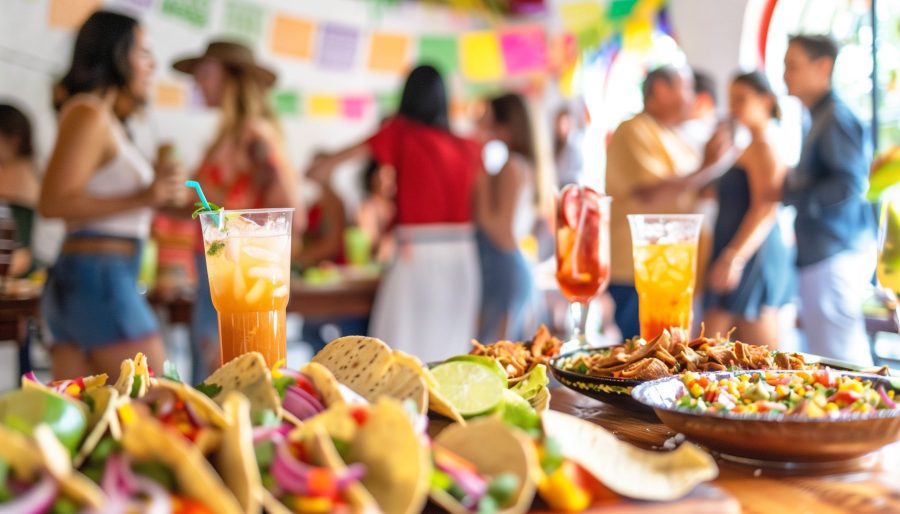
The Mexican victory at Puebla did not end the war with France, but it boosted morale and became a powerful symbol of unity. Today, celebrations often include traditional foods like tacos, mole poblano, enchiladas, and so much more, along with music and dancing such as Baile Folklorico (folkloric dance), Jarabe Tapatio (Mexican Hat Dance), and La Bamba (Google AI Overview).
“It’s grown into a day where people can appreciate Mexican culture beyond just one historical event,” said Christian Ramirez, a community activist and director of the Southern Border Communities Coalition (Google AI Overview).
Across the United States, cities host parades, festivals, and cultural events to mark the occasion. These celebrations highlight the influence and contributions of Mexican-Americans, helping to spread awareness and appreciation of the culture. While festivals can be lively, the historical roots of the holiday remain an important part of its meaning.
From its origins in a simple battle to its place in modern celebrations, Cinco de Mayo continues to connect history with cultural expression in meaningful ways.
Sources:
- https://www.history.com/articles/cinco-de-mayo
- https://olemex.com/blog/what-does-cinco-de-mayo-celebrate/
- https://www.dwsjewellery.com/blog/cinco-de-mayo-celebrating-mexican-heritage-and-culture/
- “Cinco de Mayo” prompt. Google AI Overview, 3 May 2023, Google, 5 May 2026, https://www.google.com/search?q=Today%2C+celebrations+often+include+traditional+foods+like+tacos%2C+mole+poblano%2C+enchiladas%2C+and+so+much+more%2C+along+with+music+and+dancing+such+as+Baile+Folklorico+%28folkloric+dance%29%2C+Jarabe+Tapatio+%28Mexican+Hat+Dance%29%2C+and+La+Bamba.&rlz=1CAYVGU_enUS1192&oq=Today%2C+celebrations+often+include+traditional+foods+like+tacos%2C+mole+poblano%2C+enchiladas%2C+and+so+much+more%2C+along+with+music+and+dancing+such+as+Baile+Folklorico+%28folkloric+dance%29%2C+Jarabe+Tapatio+%28Mexican+Hat+Dance%29%2C+and+La+Bamba.&gs_lcrp=EgZjaHJvbWUyBggAEEUYOTIHCAEQIRiPAjIHCAIQIRiPAtIBCTE1NDhqMGoxNagCCLACAfEFpvrT6Lco5gc&sourceid=chrome&ie=UTF-8&safe=active&ssui=on